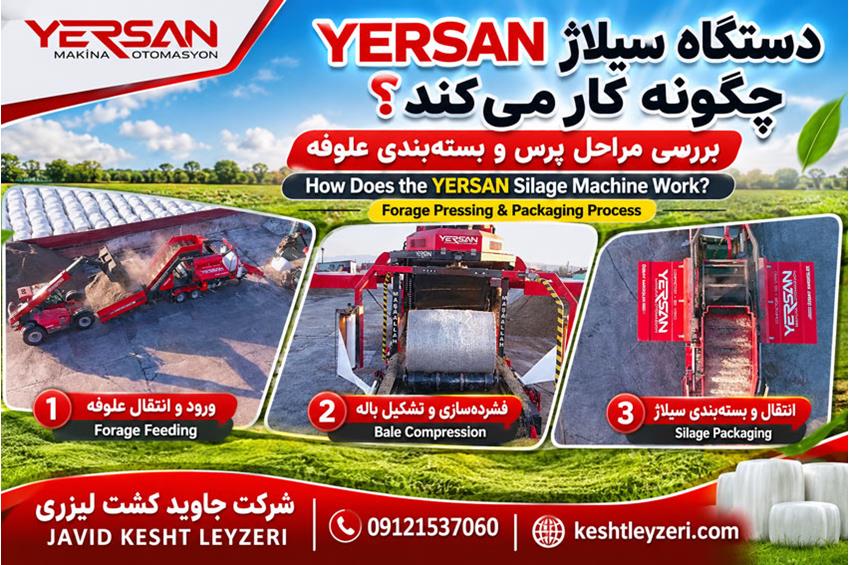
How Does the YERSAN Silage Machine Work? A Guide to Forage Pressing and Packaging
Understanding the Working Process of the YERSAN Round Bale Silage Packaging Machine
How Does the YERSAN Silage Machine Work? A Guide to Forage Pressing and Packaging
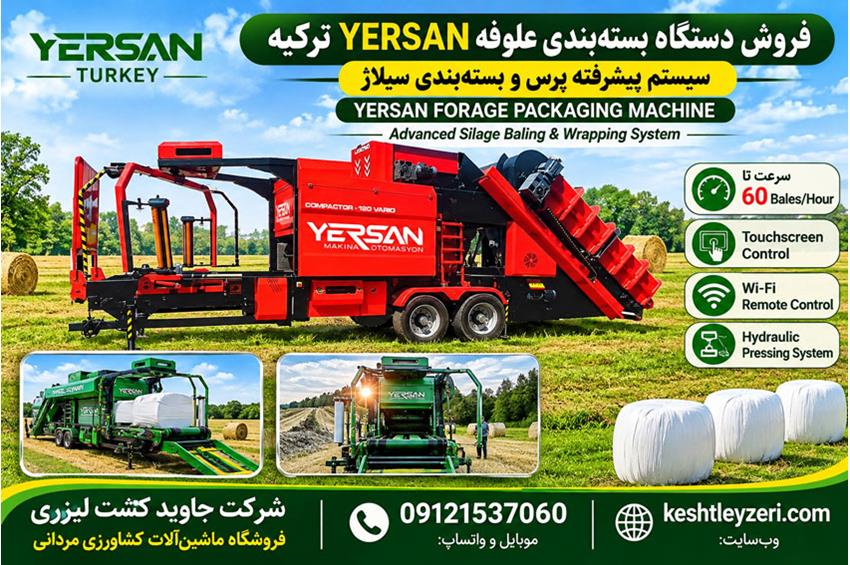
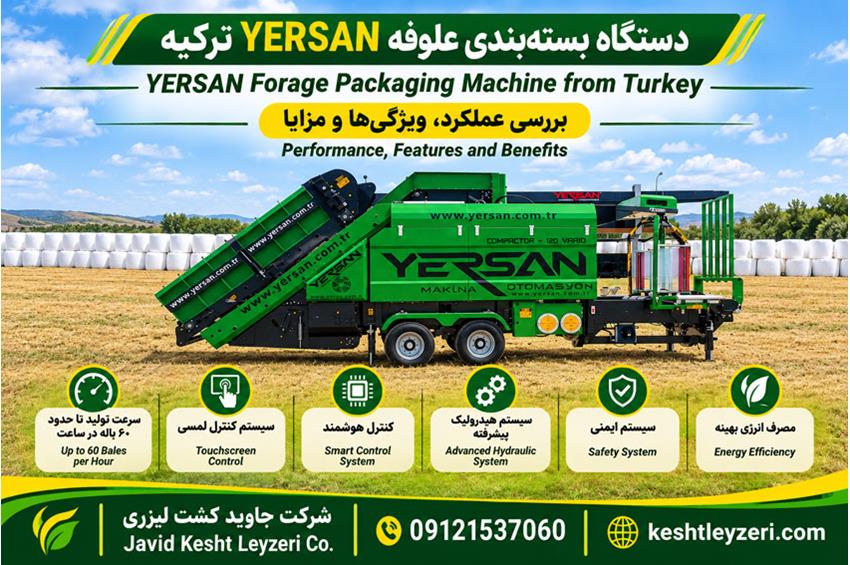
The YERSAN silage machine is a round bale forming and packaging system designed for compressing and wrapping chopped agricultural products. It combines mechanical, hydraulic and electronic systems to carry out the main stages of forage feeding, compression, bale formation, net or nylon wrapping, bale transfer and final stretch wrapping.
Understanding how the YERSAN forage packaging machine works helps farmers, livestock producers and agricultural businesses become familiar with the different stages of the packaging process. This guide explains how the machine operates, from feeding chopped material into the machine to completing the final wrapped bale.
Main Operating Stages of the YERSAN Silage Machine
The YERSAN packaging process consists of several coordinated stages. Each section performs a specific function, and their combined operation is important for the compression and packaging process.
- Feeding and transferring chopped material into the machine
- Compressing the material inside the pressing chamber
- Adjusting the hydraulic tension of the chamber belts
- Wrapping the bale with net or nylon
- Transferring the bale to the stretch wrapping section
- Applying stretch film and monitoring the wrapping process
1. Feeding Chopped Material into the YERSAN Machine
The first stage in the YERSAN forage packaging process is feeding the chopped material into the machine. The product is transferred towards the pressing chamber through the feeding conveyor system.
Consistent material feeding is important because irregular feeding can affect chamber filling and the overall operation of the machine.
According to YERSAN, the maximum chopped material length suitable for processing is 7 cm. This specification should be considered when preparing the product before feeding it into the machine.
YERSAN also describes a rear loading conveyor designed to allow feeding with a tipper truck. Its low position and wide structure are intended to make this loading method possible.
2. Forage Compression Inside the Pressing Chamber
After entering the machine, the chopped material moves into the pressing chamber. The belt system inside this chamber performs the compression and bale-forming process.
The pressing chamber is one of the most important sections of the YERSAN round bale packaging machine because its operation affects bale formation and material compression.
As the chamber fills, the moving belts compress the material. Coordinated belt movement and machine control are important for maintaining the compression process.
3. Hydraulic Belt Tension System
One of the main features of the YERSAN forage packaging machine is its hydraulic belt tension system inside the pressing chamber.
According to the manufacturer, belt tension can be adjusted hydraulically. This allows the operator to change the settings according to the type of material being processed.
Correct belt tension is important during compression. Product type, material condition and the required compression level are among the factors that should be considered when adjusting the machine.
YERSAN presents this hydraulic system as an alternative to conventional spring-based belt tensioning systems.
4. Speed and Operation Control
Different sections of the YERSAN machine have speed control systems, including the pressing chamber, conveyors, transfer carriage, lower belt and stretch wrapping arm.
According to the manufacturer, the speed of the machine's motors can be adjusted through the touchscreen control panel. This allows the operator to manage different machine functions according to operating conditions.
The motors use gradual starting and stopping to reduce sudden mechanical loads on moving components. The manufacturer also describes warning and stopping functions in situations such as jamming or abnormal mechanical stress.
5. Net or Nylon Wrapping
After compression and bale formation, the next stage involves using net or nylon to secure the bale. This is an important part of the YERSAN round bale packaging process.
YERSAN provides a dedicated system for installing and removing net or nylon, together with an automatic collection and release unit.
According to the manufacturer, the net or nylon is fed into the wrapping process in a controlled manner. At the end of the operation, the material is collected and prepared for cutting.
The purpose of this design is to provide a more stable wrapping process and reduce errors during the beginning and completion of the operation.
6. Electronic Net and Nylon Tension Control
The tension of net or nylon is an important factor during bale wrapping. The YERSAN machine uses an electronic braking system to control the tension of these materials.
According to the manufacturer, the operator can adjust wrapping tightness through the control panel. This reduces the need for repeated mechanical adjustments.
This feature can be particularly useful when processing different products or using wrapping materials with different characteristics.
7. Transferring the Bale to the Stretch Wrapping Section
After the net or nylon wrapping stage is completed, the bale is transferred to the stretch wrapping section.
YERSAN uses a transfer carriage to move the bale. Its speed and position are managed through the machine's control system.
According to the manufacturer, the carriage uses sensorless position control technology. Instead of relying on sensors installed along the travel path, the system determines the carriage position and can reduce its speed as it approaches the target position.
8. Stretch Wrapping the Silage Bale
Stretch wrapping is one of the main stages in the packaging process. The stretch wrapping arm applies layers of stretch film around the bale.
The rotating arm wraps the stretch film around the product. The number of wrapping turns and the operation settings should be managed according to the packaging requirements.
On the YERSAN machine, the stretch arm speed can be adjusted through the motor speed control system. The machine also includes a stretch film break detection system.
9. Stretch Film Break Detection System
One of the important features of the YERSAN silage machine is its stretch film break detection system. This system monitors the stretch film during the wrapping operation.
According to YERSAN, if both stretch films break, the machine displays a warning on the control panel and moves the wrapping arm to an appropriate position.
If only one stretch film breaks, the machine can automatically double the remaining number of wrapping turns from the point where the break is detected. This allows the wrapping process to be completed using the remaining film.
The purpose of this system is to monitor the wrapping process and help prevent a bale from being released before the wrapping operation is completed.
10. Stretch Wrapping Arm Safety System
The stretch wrapping arm is a moving component that rotates during operation. For this reason, safety features are important.
According to information published by YERSAN, if contact with the rotating wrapping arm occurs, the safety system automatically stops the arm. This feature is designed to help protect the operator and machine equipment.
11. Touchscreen and Wi-Fi Control
The YERSAN machine is equipped with a touchscreen control panel that allows the operator to manage different machine settings.
Motor speeds, hydraulic settings and other packaging parameters can be managed through the control panel.
According to the manufacturer, the machine also provides a Wi-Fi connection that allows control through a smartphone or tablet.
12. Lubrication and Pressing Chamber Maintenance
Proper operation of the mechanical components requires regular maintenance and lubrication. YERSAN describes manual and automatic lubrication options for components such as the bearings and chain system inside the pressing chamber.
According to the manufacturer, the system can monitor chamber operating time and perform lubrication at preset intervals.
This feature can help organize machine maintenance. However, regular inspections and following the manufacturer's service instructions remain essential.
Which Products Can Be Packaged with the YERSAN Silage Machine?
According to information published by YERSAN, the machine is designed for several agricultural and silage products, including:
- Corn silage: Chopped corn plant material, one of the main applications of the machine.
- Alfalfa: Forage that can be processed and packaged for silage use.
- Fruit pulp: Pulp and by-products from fruit-processing factories.
- Sugar beet: A product used in livestock feed and silage mixtures.
The manufacturer specifies a maximum chopped material length of 7 cm. Product moisture, particle size and other material characteristics should also be considered before operation.
Why Is Coordination Between Pressing and Packaging Important?
The performance of a forage packaging machine does not depend on a single component. Consistent feeding, pressing chamber operation, belt tension adjustment, net or nylon wrapping and proper stretch wrapping all contribute to the final packaging process.
If one of these stages is not properly adjusted, the machine may experience operating interruptions or the packaging quality may be affected. This is why coordination between mechanical, hydraulic and electronic systems is important.
Conclusion: How the YERSAN Silage Machine Works
The YERSAN silage machine combines a feeding system, pressing chamber, hydraulically tensioned belts, net and nylon wrapping system, transfer carriage and stretch wrapping arm to form and package silage bales.
The main features described by the manufacturer include touchscreen control, Wi-Fi connectivity, hydraulic belt tension adjustment, electronic net and nylon tension control, sensorless technology in selected sections and stretch film break detection.
Understanding these operating stages helps buyers evaluate a forage packaging machine not only by its production capacity and speed, but also by the way its pressing, transfer and wrapping systems work together.
YERSAN Forage Packaging Machine Sales in Iran
Javid Kesht Leyzeri Company has experience in agricultural machinery and the supply and sale of forage and silage packaging machines. The company provides information and sales consultation for the YERSAN forage packaging machine from Turkey.
For further information about specifications, sales conditions and purchasing advice, contact Engineer Mardani.
Mobile: 09121537060
WhatsApp: Send a direct WhatsApp message
Website: keshtleyzeri.com
YERSAN Forage Packaging Machine Gallery
To view images of the machine and become more familiar with its structure and equipment, visit the YERSAN forage packaging machine gallery on the Javid Kesht Leyzeri website.
Recent News