Forage Packaging Machine: How to Choose the Right KOMEL Silage Packaging Machine?
Forage Packaging Machine | KOMEL Silage Packaging Machines
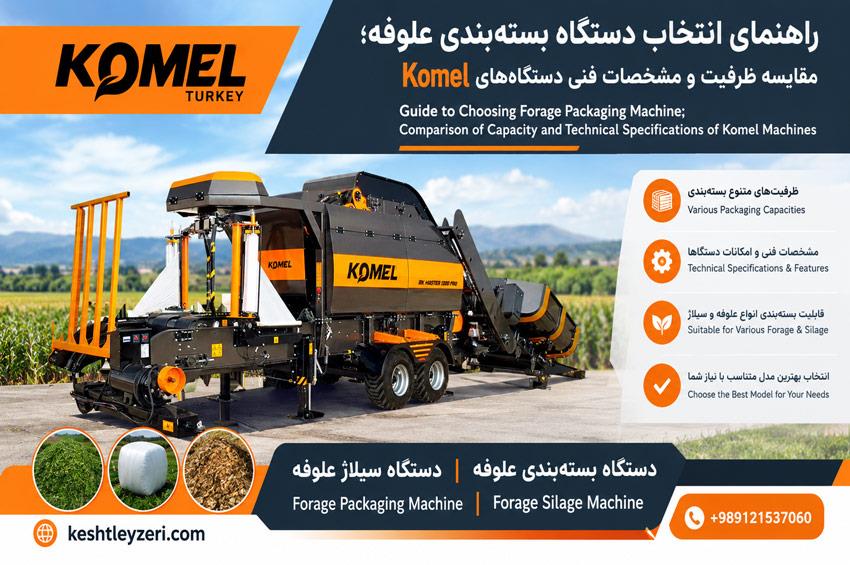
Forage Packaging Machine: How to Choose the Right KOMEL Silage Packaging Machine?
Choosing the right forage packaging machine is not only a matter of machine price or nominal capacity. The type of material, bale weight, required production capacity, operating conditions, power supply and the required packaging speed are all important factors when selecting a suitable machine.
What Is a Forage Packaging Machine?
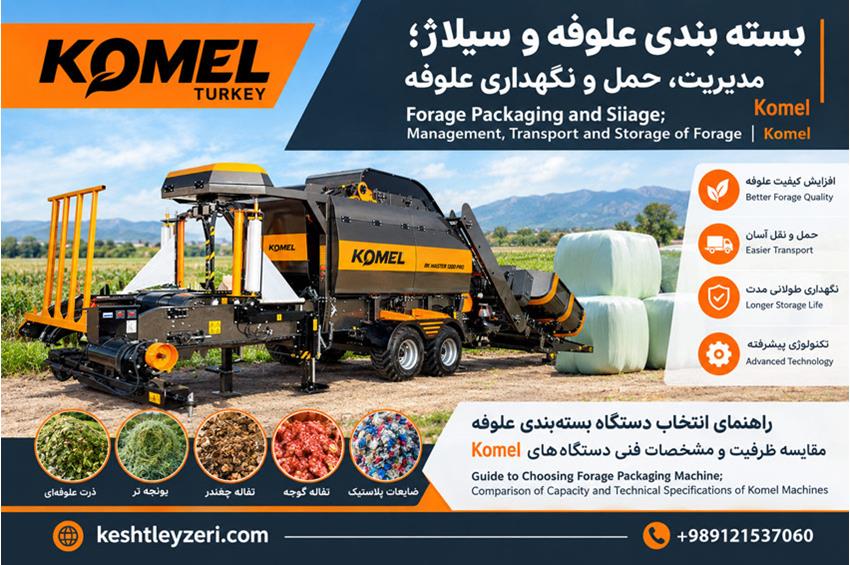
A forage packaging machine is specialized equipment designed for compressing and packaging different types of forage, silage and agricultural materials. By compressing the material and wrapping it with stretch film, the machine facilitates handling, transportation and storage of packaged materials.
KOMEL forage packaging machines, manufactured in Türkiye, are available in different models and capacities. This range allows farms, livestock operations, agricultural processing units and other businesses to select a machine according to their production requirements.
Before buying a forage packaging machine, it is important to determine the required bale weight, material type, production volume and available power source.
Why Is Choosing the Right Forage Packaging Machine Important?
One of the most common questions when purchasing agricultural machinery is the forage packaging machine price. However, price alone should not be the main criterion for selecting a machine.
A machine suitable for a small livestock farm may not provide sufficient capacity for a large agricultural processing facility. Therefore, the machine should be selected according to the actual operating requirements.
Before purchasing a machine, consider the following:
- What type of material will be packaged?
- What is the required bale weight?
- How many bales per hour are required?
- Is electricity available at the operating location?
- Can a tractor PTO system be used?
- Is a generator required?
- Is there enough space for operating and transporting the machine?
What Materials Can Be Packaged with a KOMEL Silage Machine?
KOMEL packaging machines are designed for packaging a wide range of agricultural materials and certain processed materials. Their applications are not limited to corn forage.
Forage and Agricultural Materials
- Forage corn
- Wet alfalfa
- Triticale
- Green barley
- Green wheat
- Wet grain corn
- Corn flour
Agricultural By-Products and Pulp
- Sugar beet pulp
- Apple pulp
- Tomato pulp
Selected Recyclable and Processed Materials
- Shredded plastic waste
- Carpet waste
- Rug and carpet waste
Therefore, a silage packaging machine can be used for various materials depending on the machine model and the intended application.
Choosing a Forage Packaging Machine Based on Bale Weight
Bale weight is one of the most important factors when selecting a forage packaging machine. Different KOMEL models are designed for different bale weights and production requirements.
| Machine Model | Approx. Bale Weight | Approx. Production Capacity |
|---|---|---|
| RK MASTER 100 PRO | 80–150 kg | Up to 70 bales/hour |
| RK MASTER 200 PRO | 400–600 kg | Up to 70 bales/hour |
| RK MASTER 500 PRO | 400–600 kg | Up to 60 bales/hour |
| RK MASTER 700 PRO | 500–700 kg | Up to 60 bales/hour |
| RK MASTER 1200 PRO | 750–1100 kg | Up to 60 bales/hour |
| RK MASTER MOBILE 1200 | 800–1200 kg | 55–60 bales/hour |
This range shows why the required bale weight should be determined before purchasing a silage packaging machine. Smaller models may be suitable for lighter bales, while larger agricultural operations may require higher-capacity equipment.
Forage Packaging Machine Production Capacity
Production speed is another important factor when comparing forage packaging machines. According to the specifications of the models presented, KOMEL machines can provide approximately 55 to 70 bales per hour, depending on the model.
- RK MASTER MOBILE 1200: approximately 55–60 bales/hour
- RK MASTER 1200 PRO: up to approximately 60 bales/hour
- RK MASTER 700 PRO: up to approximately 60 bales/hour
- RK MASTER 500 PRO: up to approximately 60 bales/hour
- RK MASTER 200 PRO: up to approximately 70 bales/hour
- RK MASTER 100 PRO: up to approximately 70 bales/hour
When comparing different models, both bale weight and the required number of bales per hour should therefore be considered.
Electric, Generator or Tractor PTO Operation
The power source is another important factor when selecting a forage silage packaging machine. Some KOMEL models operate with an electric power system, while certain models can also be used with a generator when electricity is not available.
Selected PRO models can also operate through a tractor PTO system. Therefore, before purchasing a machine, the operating location, available electricity and suitable tractor capacity should be considered.
For fixed facilities with reliable electricity, an electric model may be considered. In locations where electricity is limited, PTO or generator-compatible options may provide greater flexibility.
Compression System of KOMEL Forage Packaging Machines
The compression system is an important part of a silage packaging machine. The presented KOMEL models use an elastic band compression system for forming and compressing the material.
After the material is compressed and formed, the packaging process is completed using stretch film units. The presented models are equipped with two stretch film wrapping units with automatic control.
The combination of compression and stretch wrapping prepares the bale for easier handling, transportation and storage.
Fully Automatic Control System
KOMEL forage packaging machines are equipped with electronic and fully automatic control systems. Automatic control of the machine's operating processes allows the packaging operation to be managed more efficiently by the operator.
Automatic operation becomes particularly important for agricultural businesses and processing facilities where large quantities of forage need to be packaged.
How Is the Forage Packaging Machine Price Determined?
The forage packaging machine price is one of the most important factors considered by buyers. However, there is no single fixed price for all models.
The final price can vary depending on the model, bale capacity, power requirements, equipment, drive system and supply conditions.
Important factors to consider include:
- Machine model
- Bale weight
- Production capacity
- Required electrical power
- Electric or PTO drive system
- Machine equipment and specifications
- Import and supply conditions
Therefore, when requesting the silage packaging machine price, it is recommended to provide information about the material, required bale weight and expected production volume.
Why Should You Not Choose a Forage Packaging Machine Based Only on Price?
Two machines may appear similar in terms of general application while having completely different technical specifications and capacities.
For example, a machine designed for 80–150 kg bales is technically and operationally different from a machine designed for 800–1200 kg bales.
Therefore, when buying a forage packaging machine, the actual production requirements should be determined first, followed by a comparison of suitable models and their prices.
Choosing a Machine for Farms, Livestock Operations and Processing Facilities
The requirements of a small livestock farm are different from those of a large forage processing facility. Bale weight, available space, daily production, packaging speed and power supply can all affect the machine selection.
For Small Farms and Livestock Operations
Bale weight, available working space and daily production volume are important factors when selecting a suitable machine.
For Large Agricultural Operations
Production capacity, packaging speed, bale weight and power supply become more important when the daily packaging volume increases.
For Agricultural Processing Facilities
Machine capacity, continuous operation and compatibility with the incoming material volume should be carefully evaluated.
Therefore, the best forage packaging machine is not necessarily the largest model; it is the machine whose capacity and specifications match the actual requirements of the business.
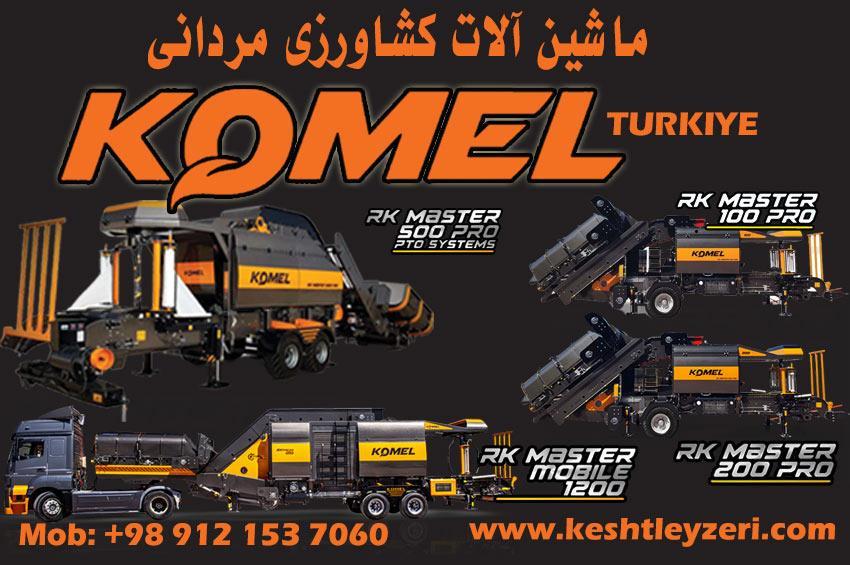
KOMEL Forage Packaging Machine Models
The KOMEL product range includes different models designed for different bale weights, production capacities and operating conditions.
From the RK MASTER 100 PRO, designed for lighter bales, to larger models such as the RK MASTER 1200 PRO and RK MASTER MOBILE 1200, customers can select a machine according to their specific requirements.
What Information Should You Prepare Before Buying a Silage Packaging Machine?
To receive more accurate advice and select the appropriate machine, it is useful to determine the following information before contacting the supplier:
- Type of material to be packaged
- Approximate bale weight
- Daily packaging volume
- Required bales per hour
- Operating location
- Availability of electricity
- Availability of a suitable tractor and PTO
- Need for a generator
Having this information makes it easier to compare different silage packaging machine models and select the appropriate option.
KOMEL Forage Packaging Machine Sales in Iran
Javid Kesht Leyzeri Co. is the exclusive representative of KOMEL Türkiye in Iran and supplies KOMEL forage packaging machines in different models and capacities.
According to the information provided by the company, more than 80 forage packaging machines with capacities from 50 to 1500 kg have been imported from Europe and Türkiye since 2011.
The company also provides original spare parts for forage packaging machines and offers cash and installment purchasing options.
Request Price and Purchase Consultation
To receive the latest forage packaging machine price, model specifications, sales conditions and advice on selecting the right machine, contact the sales department.
Sales Manager: Mr. Mardani
Phone: +98 912 153 7060
Conclusion
Selecting the right forage packaging machine should be based on the actual requirements of the farm or processing facility rather than only on machine price or nominal capacity.
Material type, bale weight, production speed, compression system, power source and operating conditions are among the most important factors that should be evaluated before purchasing.
KOMEL forage packaging machines are available in different models and capacities, from lighter bales to larger bales of approximately 1200 kg, providing options for different agricultural and processing applications.
If you are looking for a forage packaging machine, silage packaging machine, forage corn packaging machine or a machine for packaging wet alfalfa and other suitable materials, comparing the technical specifications of the available models can help you make a more informed purchasing decision.
Frequently Asked Questions About Forage Packaging Machines
What materials can be packaged with a forage packaging machine?
According to the presented specifications, the machines can be used for forage corn, wet alfalfa, sugar beet pulp, triticale, green barley, green wheat, apple pulp, corn flour, wet grain corn, tomato pulp and certain shredded waste materials.
What is the capacity of a KOMEL silage packaging machine?
The presented KOMEL models are available in different capacities, with bale weights ranging from approximately 80 kg to approximately 1200 kg.
How much does a forage packaging machine cost?
The price depends on the machine model, capacity, power requirements, equipment and supply conditions. The exact price should be requested according to the required model and application.
Does the forage packaging machine operate with electricity or a tractor?
Depending on the model, the machine can operate with an electric system, generator or tractor PTO system.
How many bales per hour can a KOMEL forage packaging machine produce?
Depending on the model, the presented KOMEL machines can produce approximately 55 to 70 bales per hour.
Recent News