Tag results: corn silage packaging

- 25 Jul 2026
- 1513
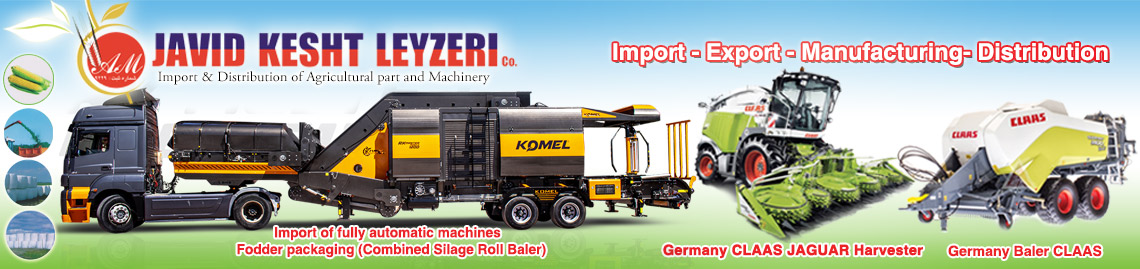
Hay Packaging Machine Price | Buy Komel Forage Silage Packaging Machine
The Komel forage and silage packaging machine is one of the most essential agricultural tools for compressing and preserving both wet and dry forage. By reducing the volume of forage, it simplifies transportation and storage while increasing efficiency and saving costs.
- 23 Jul 2026
- 1321
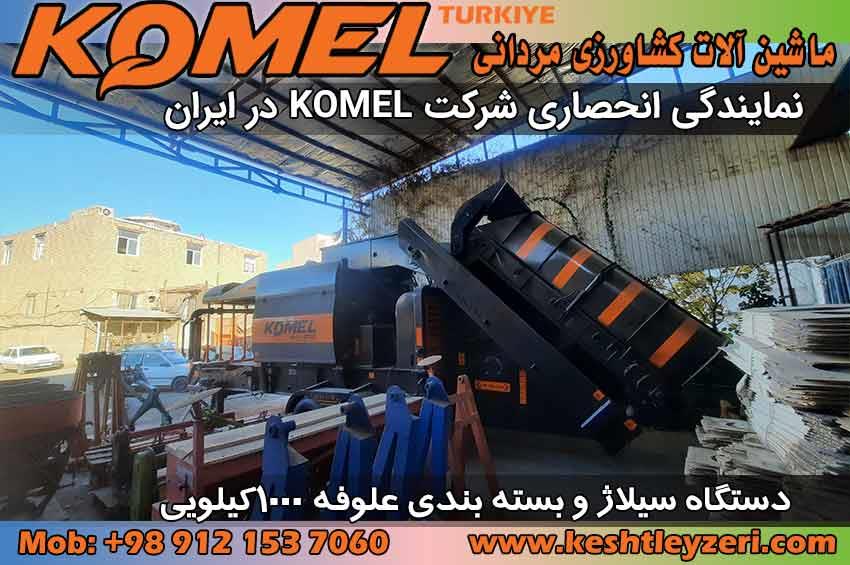
Corn Silage Packaging Machine | Buy Komel Corn Silage Baler
The Komel corn silage packaging machine is the most advanced equipment for compressing and storing silage and corn fodder. By reducing the volume and waste of fodder, this machine significantly increases the efficiency of dairy farms.
- 06 Jul 2026
- 1789
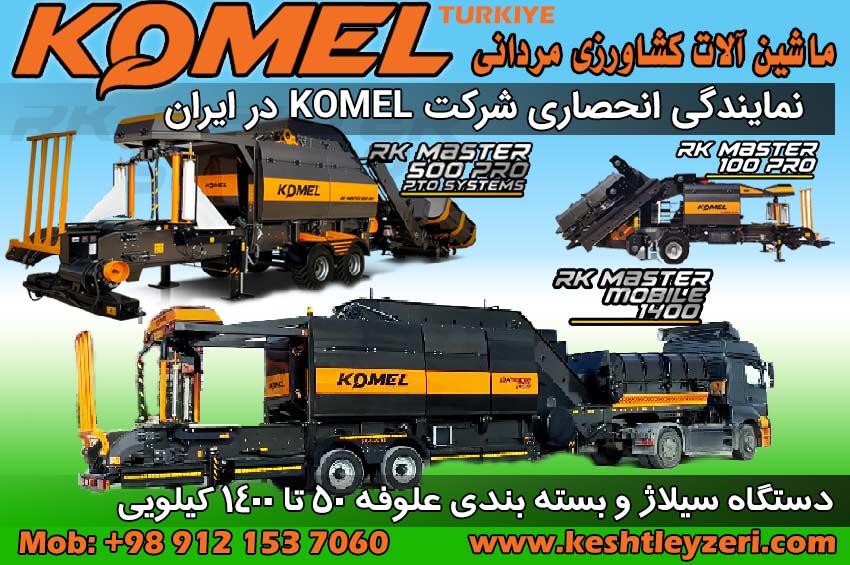
Special Promotion Launched for Komel Fully Automatic Forage Packaging Machines
Javid Kesht Leyzeri Company, the exclusive representative of Komel Turkey, has launched a special promotion for Komel forage packaging machines. These fully automatic, advanced machines can package various types of forage, corn silage, wet alfalfa, pulp materials, and even shredded plastic and carpet waste, offered in capacities ranging from 50 to 1500 kg.
- 03 Jul 2026
- 1417
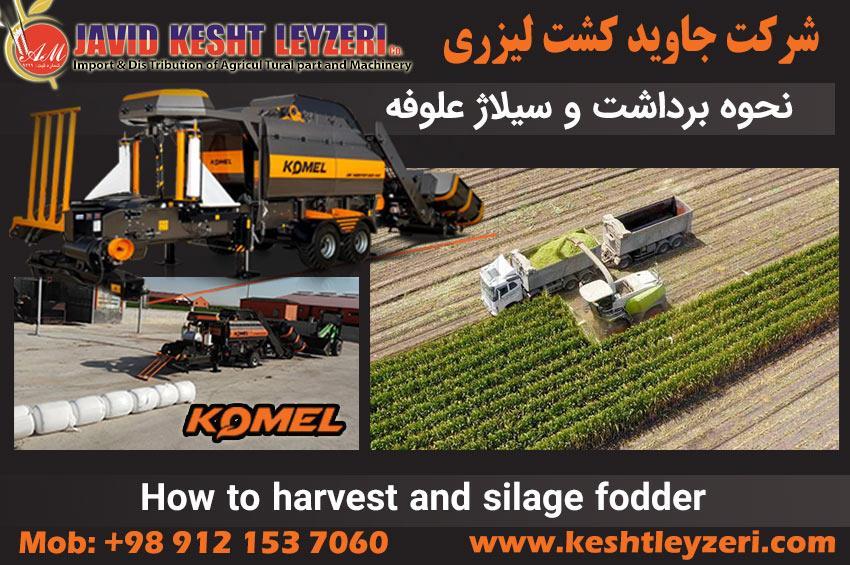
What Is Forage Silage? | Price & Purchase of Forage Silage Packaging Machine
Forage silage is one of the most effective methods for preserving and improving livestock feed quality. By using forage silage and packaging machines, feed losses are significantly reduced while nutritional value is preserved through controlled fermentation. This method is highly economical for industrial and semi-industrial livestock farms. In this article, we review forage silage, its benefits, proper packaging methods, and a complete guide to purchasing forage silage packaging machines.
- 14 Nov 2023
- 2034
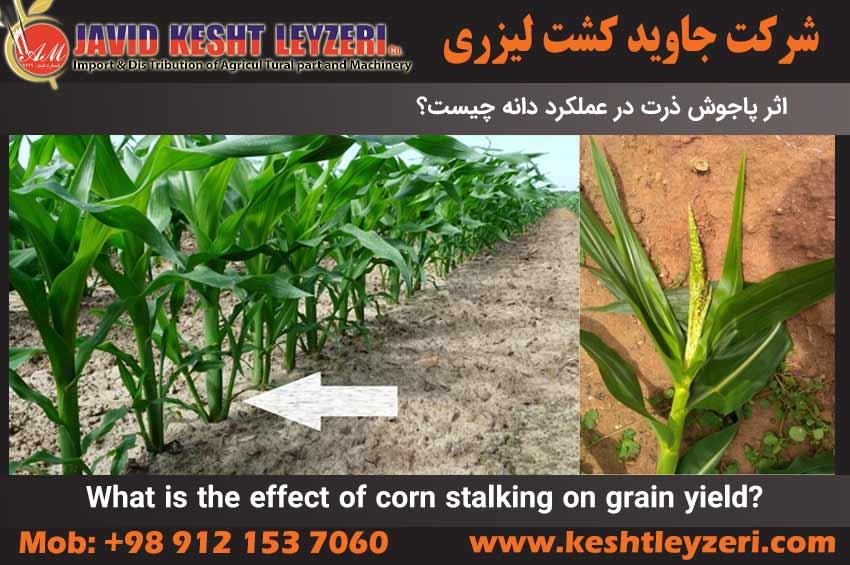
What is the effect of corn stalking on grain yield?
The effect of corn blight on grain yield depends on several factors, including weather conditions, nutrient sources, and proper plant maintenance. However, it is estimated that the maize pajosh has the greatest effect on the growth and fitness of the seeds. Some of the benefits of corn starch include increased number of kernels, increased kernel volume, and increased kernel oil content. In addition, corn stalks can help reduce the negative effects of weather conditions, including drought and high temperatures. Also, the genetic mutation that leads to corn rust can increase corn's resistance to pests and diseases, thus having a positive effect on grain yield. In general, corn cob can help to improve grain yield and biomass efficiency of this plant.

- 06 Jul 2022
- 3310
How to Make Silage
Preserving feed for livestock doesn't always mean putting up sun-dried hay. Silage is also made as a chopped, fermented feed source, primarily from annual crops like corn, barley, sorghum, oats, millet, and occasionally canola and wheat. Silage is made by packing the chopped crop into a "pit" and packing it down well so that any oxygen pockets are eliminated. Oxygen pockets encourage spoilage of the feed. Silage and haylage can be interchangeable, especially since haylage or baleage involves the same process of ensiling to preserve feed for livestock. However, silage more relates to annual crops than perennial forages. How to make silage is described in the steps below.