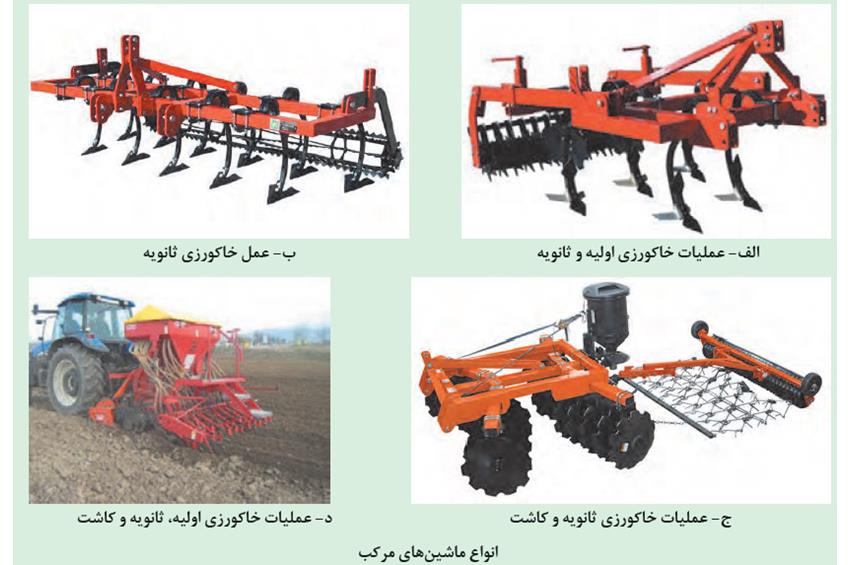
Spring-tooth harrow And Rollers
JAVID KESHT LEYZERI COMPANY
spring-tooth harrow
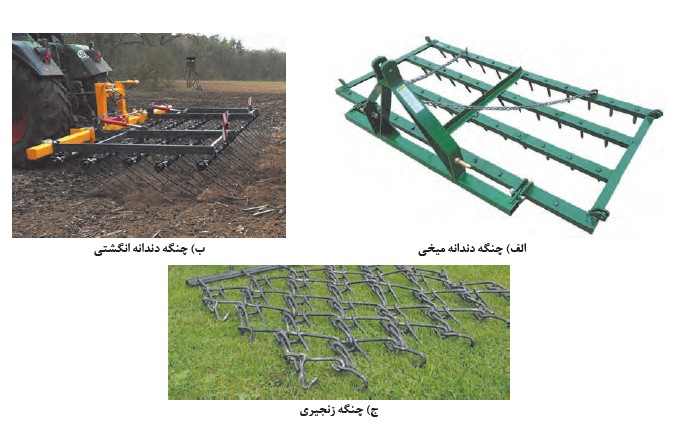
A spring-tooth harrow, sometimes called a drag harrow, is a type of harrow, and specifically a type of tine harrow. It is a largely outdated piece of farm equipment. It uses many flexible iron teeth mounted in rows to loosen the soil before planting. It is set in the ground and raised manually and cannot be backed up; this is why it has been replaced by more modern equipment such as the chisel plow and field cultivator.
A drag harrow more specifically refers to a largely outdated type of soil cultivation implement that is used to smooth the ground as well as loosen it after it has been plowed and packed. It uses many flexible iron teeth usually arranged into three rows. It has no hydraulic functionality and has to be raised/adjusted with one or multiple manual levers. It is a largely outdated piece of farm equipment, having been replaced by more modern disc harrows and deeper, stiff-toothed rippers, however, smaller farmers still use them.
Uses
A drag harrow is used to loosen and even out soil after it has been plowed and packed. The drag harrow also kills some weeds that may be present, but it is not very efficient in doing so, and it is not one of its primary functions.
In modern times
The non-hydraulic drag harrow is not often used in modern farming as other harrows have proven to be more suitable, such as the disc harrow. Another reason they are not often used is because they cannot be controlled hydraulically, meaning that the operator is required to dismount from the tractor to adjust it or unclog it. However it is used as a drag behind several other implements such as a rod weeder. Due to their low cost and simplicity, old fashioned are still widely used by small farmers.
Rollers
The roller is an agricultural tool used for flattening land or breaking up large clumps of soil, especially after ploughing or disc harrowing. Typically, rollers are pulled by tractors or, prior to mechanisation, a team of animals such as horses or oxen. As well as for agricultural purposes, rollers are used on cricket pitches and residential lawn areas.
Flatter land makes subsequent weed control and harvesting easier, and rolling can help to reduce moisture loss from cultivated soil. On lawns, rolling levels the land for mowing and compacts the soil surface.
Rollers may be weighted in different ways. For many uses a heavy roller is used. These may consist of one or more cylinders made of thick steel, a thinner steel cylinder filled with concrete, or a cylinder filled with water. A water-filled roller has the advantage that the water may be drained out for lighter use or for transport. In frost-prone areas a water filled roller must be drained for winter storage to avoid breakage due to the expansion for water as it turns to ice.
Farming use
Rollers are a secondary tillage tool used for flattening land or breaking up large clumps of soil, especially after ploughing or disc harrowing. Rollers are typically pulled by tractors today. Before mechanised agriculture, a team of working animals such as horses or oxen provided the power. Animal power is still used today in some contexts, such as on Amish farms in the United States and in regions of Asia where draft oxen are still widely used.
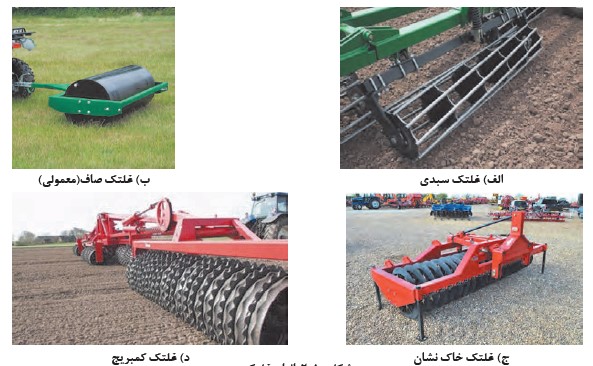
Rollers prepare optimal seedbeds by making them as flat as is practical and moderately firmed. Flatness is important at planting because it is the only practical way to control average seed planting depth without laborious hand planting of each seed; it is not practical to follow an instruction of (for example) 1-cm planting depth if the contour of the seedbed varies by 2 cm or more between adjacent spots. This is why breaking up of even small clods/lumps, and well-leveled spreading of soil, is important at planting time.
Flatter land also makes subsequent weed control and harvesting easier. For example, in mechanical weed control, controlling cultivator tooth depth is practical only with a decently flat soil contour, and in combining, controlling combine head height is practical only with a decently flat soil contour.
Rolling is also believed to help reduce moisture loss from cultivated soil.
Recent News